
 View Product
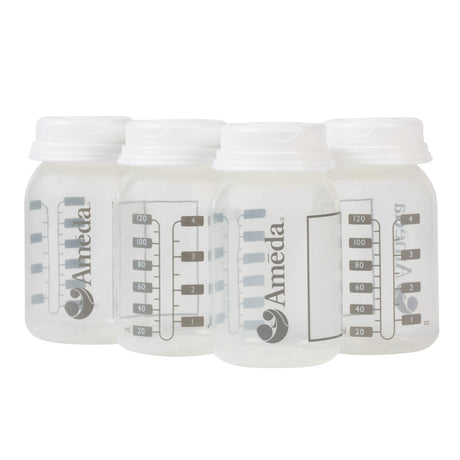
Ameda HygieniKit® Breast Milk Storage Bottle with Lock-Tight Cap, 4 Count
Rated 4.9 out of 5 stars85$12.00Unit price /Unavailable
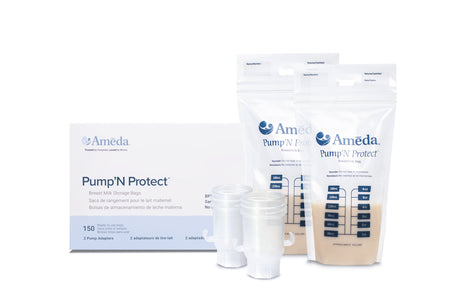
![A product image featuring Ameda Pump'N Protect breast milk storage bags. The packaging includes a white box labeled "Ameda Pump'N Protect" with the text "Breast Milk Storage Bags" in multiple languages. The box contains 150 bags and two white pump adapters. Two clear breast milk storage bags are displayed upright, showing measurement markings for volume in ounces and milliliters. The bags are partially filled with a light beige liquid, representing breast milk.]() View Product
View ProductAmeda Pump 'N Protect® 6 Ounce Milk Storage Bags
Rated 4.9 out of 5 stars48From $9.49Unit price /Unavailable-
View Product
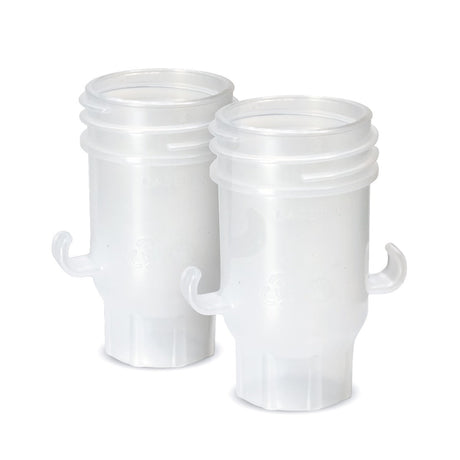
Ameda Standard Milk Storage Bag Adapters, 2 Count
Rated 5.0 out of 5 stars1$6.49Unit price /Unavailable -
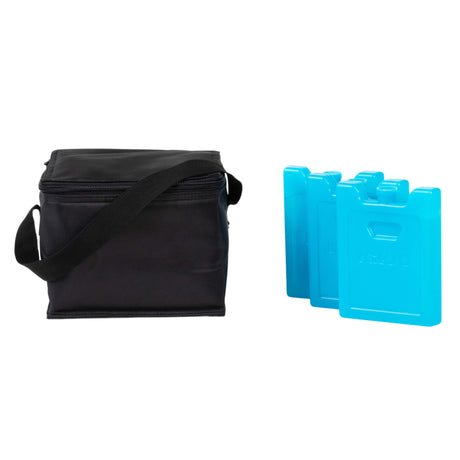
![Black insulated cooler bag with shoulder strap next to three blue ice packs.]()
 View Product
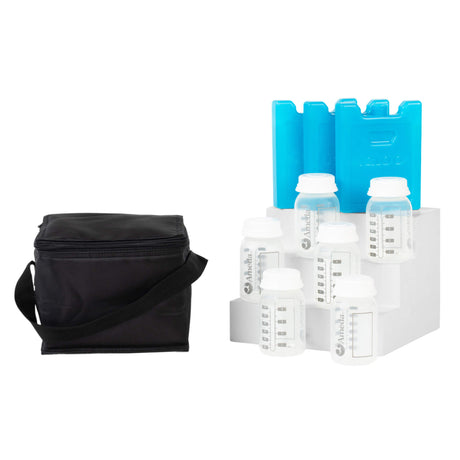
Ameda Cool'N Carry Breast Milk Storage System
Rated 4.8 out of 5 stars84From $16.99Unit price /Unavailable -
View Product
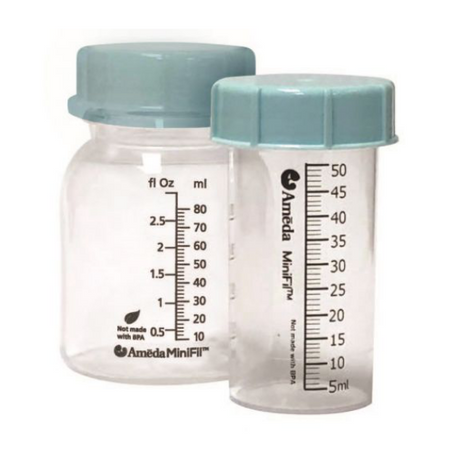
Ameda MiniFil Colostrum Collection Containers
From $149.99Unit price /Unavailable



About Ameda’s Breast Milk Storage Products
Ameda offers a range of storage solutions designed to help you store breast milk safely and conveniently. Our storage bags and bottles are durable, easy to use, and help maintain the freshness of your milk. With thoughtfully designed features, Ameda’s breast milk storage products support your breastfeeding journey, providing reliable options for storing and feeding your expressed milk.

Breast Milk Storage Bags
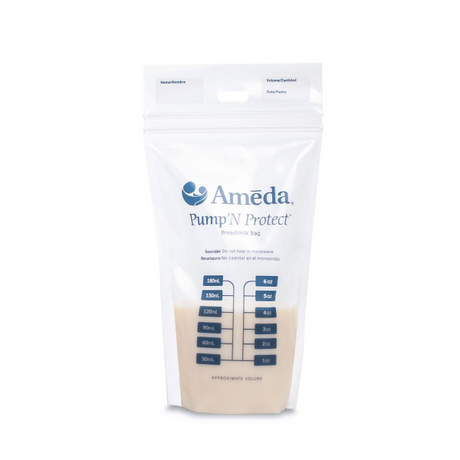
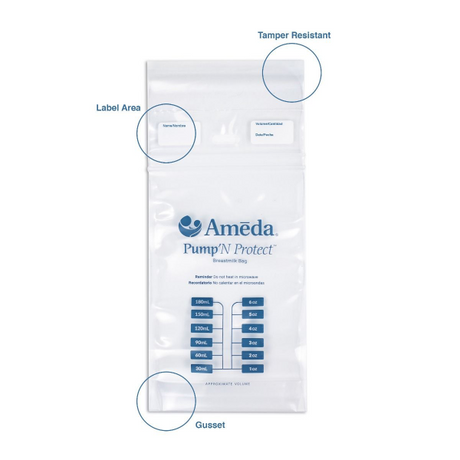
Ameda’s breast milk storage bags feature a double-zipper seal and reinforced seams to help prevent leaks and spills, ensuring your milk stays secure. These pre-sterilized, BPA-free bags are designed to keep your milk safe and hygienic. With clear measurement markings and a writable label section, tracking the date and quantity of stored milk is simple. The bags are also easy to freeze and thaw, offering a convenient solution for moms storing milk for future use.

Breast Milk Storage Bottles
Ameda’s breast milk storage bottles provide a safe and convenient solution for storing and feeding expressed milk. Made without BPA, these bottles feature clear measurement markings for accurate portioning. Designed for compatibility with Ameda breast pumps and nipples, they allow for an easy transfer from pumping to feeding, ensuring every drop of milk is preserved.

Before Expressing or Handling Breast Milk
Before expressing or handling breast milk, it’s essential to follow proper hygiene and safety guidelines to ensure the quality and safety of the milk. Here are some steps to take:
- Wash Your Hands: Always wash your hands thoroughly with soap and water before expressing or handling breast milk. Clean hands help prevent the introduction of bacteria and other contaminants into the milk
- Sanitize Equipment: Ensure your breast pump and storage containers are clean and sanitized before use. This includes all parts that come into contact with the milk.
- Use Clean Devices: Use a clean and sterile breast pump or expression device to express milk. This helps maintain the purity of the milk.
- Proper Storage: Store expressed milk in a clean and airtight container, labeling it with the date and time of expression. This helps you keep track of the milk’s freshness.
- Temperature Control: Store milk in the refrigerator at a temperature of 39°F (4°C) or below, or freeze it at 0°F (-18°C) or below for longer storage. Proper temperature control is crucial for preserving the milk’s quality.
By following these steps, you can ensure that your expressed milk remains safe and nutritious for your baby.

Choosing the Right Container for Milk Storage
Selecting the right container for breast milk storage is essential to ensure its safety and freshness. Follow these guidelines for effective storage:
- Use Appropriate Containers: Choose breast milk storage bags or clean, food-grade plastic bottles with tight-fitting lids. These are specifically designed for safe milk storage.
- Avoid Inappropriate Bags: Avoid disposable bottle liners or plastic bags not intended for breast milk storage, as they can leak or break.
- BPA-Free: Opt for BPA-free containers, like those from Ameda, to minimize exposure to potentially harmful chemicals.
- Secure Closure: Ensure your containers have a secure closure to prevent leaks, especially when freezing milk.
- Measurement Markings: Use containers with clear measurement markings for accurate portioning.
- Check Condition: Regularly check containers for damage or expiration dates to ensure they remain safe for use.
By choosing the right storage solutions, you can protect your breast milk and support your breastfeeding journey.

Tips for Storing Breast Milk
To get the most out of your breast milk storage, follow these helpful tips:
- Label Your Milk: Always label the storage container with the date and time of expression. Use the oldest milk first to ensure freshness.
- Storage Duration: Freshly expressed breast milk can be stored at room temperature for up to 4 hours, in the refrigerator for up to 4 days, and in the freezer for up to 6 months. For best quality, use within 3 months if possible. Previously frozen milk should be used within 24 hours after thawing and should not be refrozen to avoid nutrient breakdown and bacterial growth.
- Safe Thawing: Thaw frozen breast milk in the refrigerator overnight or by placing the storage bag or bottle in warm water. Never use a microwave to thaw breast milk, as it can create hot spots and damage vital nutrients.
- Handling Tips: Gently swirl the stored milk before feeding to mix the fat, which may separate during storage. Avoid vigorous shaking to preserve the quality of the milk.
Understanding Freezing and Thawing Breast Milk
Freezing and thawing frozen milk properly is essential for maintaining its nutritional value and safety. Here are some important points to keep in mind:
How Long Does Expressed Breast Milk Keep?
The storage time for breast milk depends on the storage method. Here are some general guidelines:
-
![Simple pink house icon on a white background.]()
Room Temperature
Freshly expressed breast milk can be kept at room temperature (up to 77°F or 25°C) for 4-6 hours. If the room is warmer, it’s best to refrigerate the milk sooner.
-
![Icon of a pink refrigerator on a white background.]()
Refrigerator
In the refrigerator (at 39°F or 4°C), expressed breast milk can be stored for 3-8 days. For optimal quality, use the milk within 3 days.
-
![Pink snowflake icon with six symmetrical branches.]()
Freezer
In a standard freezer (at 0°F or -18°C), breast milk can be stored for 3-6 months. For best quality, use within 3 months.
-
![A pink freezer icon with a snowflake symbol.]()
Deep Freezer
In a deep freezer (at -4°F or -20°C), breast milk can be stored for 6-12 months. For best quality, use within 6 months.


It’s essential to note that the quality and safety of the milk may decrease over time, even if it’s stored properly. Always check the milk for any signs of spoilage before feeding it to your baby.

Why Choose Ameda for Breast Milk Storage?
Ameda is committed to supporting breastfeeding mothers with reliable and thoughtfully designed breast milk storage solutions. Our products prioritize safety and convenience to help you store your milk with confidence. With Ameda, you can trust that your expressed milk is handled with care, supporting you in providing the best for your baby.
Explore Our Other Products
-
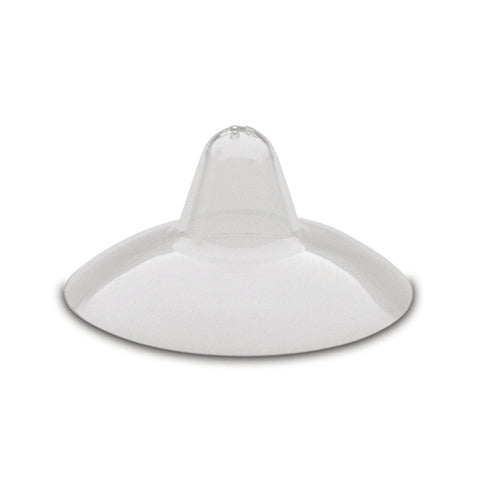
![A clear, round silicone or glass nipple shield with a wide base and a small, protruding tip at the center. The bottom edge of the shield is slightly curved, creating a smooth transition from the base to the top. The structure is designed to provide support or aid in breastfeeding.]()
Breast Shields
Ameda’s breast shields ensure a comfortable fit, making your pumping sessions more efficient.
-
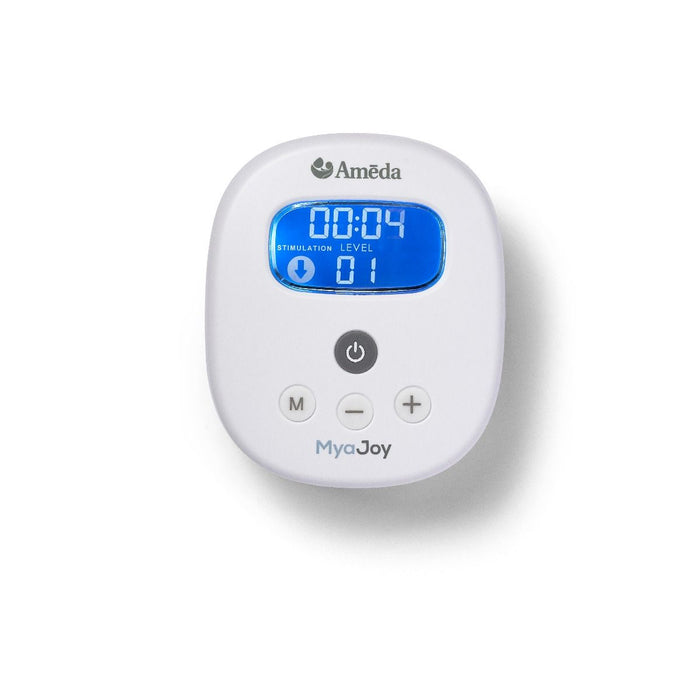
![A white digital device with a blue illuminated screen. The device displays a timer reading "00:04" and a stimulation level labeled "01." Below the screen, there are three buttons: one with a power icon in the center, a circular button marked with a "M" to the left, and a plus button to the right. The top of the device features the brand name "Ameda" and the bottom reads "MyaJoy." The overall shape is rounded and compact, with smooth edges. The background is plain white.]()
Breast Pumps
Ameda’s breast pumps provide comfort and efficiency, designed to support your pumping needs with ease.
-
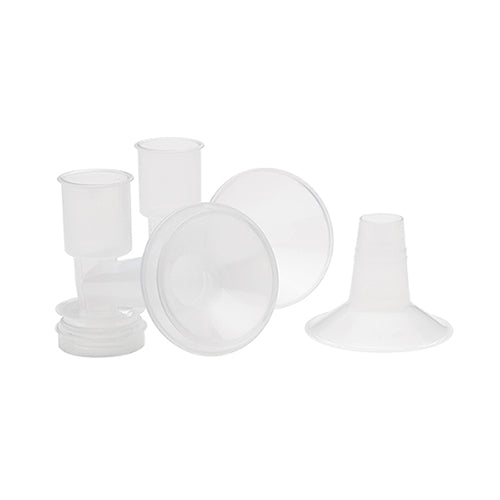
![Ameda CustomFit flanges in sizes 2XL and 2XXL displayed on a white background.]()
Breast Pump Flanges
Our flanges offer a secure and comfortable fit, helping to maximize milk flow during pumping.
-
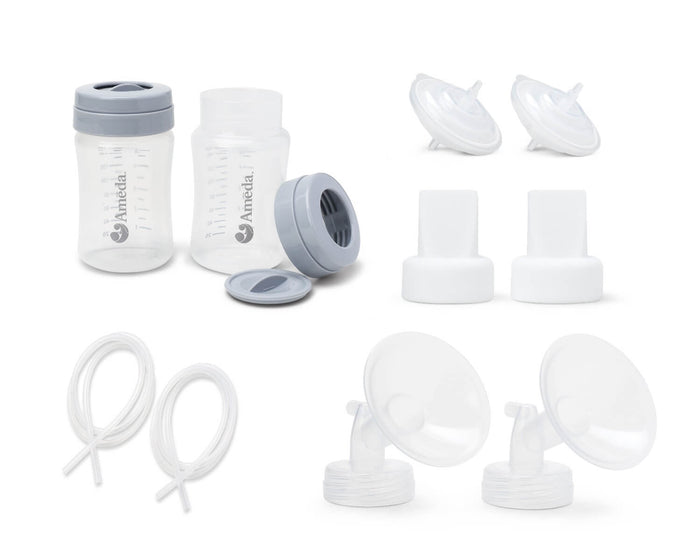
![A collection of breastfeeding accessories displayed on a white background. There are two transparent plastic bottles, one with a gray screw-on lid and the other is open with a slightly wider neck. Each bottle has measurement markings on the side. There are also two additional gray bottle lids and four white pump flanges with connectors lying next to them. Two sets of white tubing are coiled on the bottom left, leading to the pump flanges, which are designed to attach to the bottles.]()
Accessories
Explore Ameda’s full range of accessories, including tubing, valves, and spare parts to keep your pump running smoothly.