
Published:
Quick Answer
Cluster feeding is a period when a baby wants several closely spaced feedings, sometimes every 30 to 60 minutes for a few hours. Newborn cluster feeding typically occurs during the first few weeks and is often noticed in the late afternoon or evening. A cluster feeding phase may last a few days, but there is no exact schedule that every baby follows. Watching feeding cues, diaper output, and weight gain can help show whether frequent feeding is part of a normal pattern or a reason to seek support.
For many moms, evening cluster feeding can make one part of the day feel like a single long nursing session. A baby may feed, doze briefly, become fussy, and then show hunger cues all over again. That rhythm can be tiring, but it is not automatically a sign that breast milk supply is low. Understanding what cluster feeding looks like and preparing for it can make these demanding stretches feel more manageable.
Key Takeaways
- Cluster feeding means a baby has several feedings close together over a relatively short period.
- Cluster feeding is normal during the newborn phase, but timing and duration vary from baby to baby.
- Frequent milk removal helps support breast milk production.
- Hunger cues, swallowing, diaper output, and weight gain provide more useful information than the clock alone.
- Ongoing pain, poor milk transfer, low diaper output, or concerns about weight gain deserve prompt support from a healthcare provider or lactation professional.
What Is Cluster Feeding?
Cluster feeding describes a pattern of more frequent feeds grouped within a relatively short period. Instead of following a predictable interval, a baby may return to the breast or bottle every 30 to 60 minutes for several hours. The pattern commonly occurs in the evening, although cluster feeding can happen at any time of day.
During a cluster feeding session, a baby may:
- Show hunger cues soon after a feeding
- Nurse or take a bottle several times within a few hours
- Alternate between feeding, dozing, and fussing
- Settle while feeding but become restless when the feeding ends
- Return to a more familiar feeding rhythm after the cluster period passes
Frequent feeding is one way a baby communicates a need for breast milk, closeness, comfort, or help settling. In the early weeks of a baby's life, frequent milk removal also signals the body to continue producing milk as mature milk production becomes established.
When Do Babies Cluster Feed?
Cluster feeding often starts during the newborn period, especially during the first few weeks after birth. Some breastfeeding parents notice it when babies grow or move through developmental milestones, but there is no universal calendar for growth spurts or developmental leaps. A baby may start cluster feeding earlier, later, or not very noticeably at all.
The pattern matters more than a specific date. A baby who feeds normally during much of the day and then wants several feeds close together in the early evening may be cluster feeding. If a baby suddenly begins feeding more often and also has fewer wet diapers, ineffective feeding, unusual sleepiness, or difficulty gaining weight, the change should not simply be assumed to be a growth spurt.
How Long Does Cluster Feeding Last?
A cluster feeding session may continue for a few hours. The overall phase may appear for several days and then ease as the baby returns to a more familiar feeding or baby sleep rhythm. The duration varies with the baby's age, feeding effectiveness, individual needs, and the reason for the change in feeding behavior.
It can be helpful to think of cluster feeding as a temporary pattern rather than a strict milestone. If feeding feels nearly continuous, is not improving, or leaves either mom or baby distressed, a pediatrician or qualified lactation professional can assess latch, milk transfer, weight gain, and milk supply.
Does Cluster Feeding Mean Milk Supply Is Low?
Not necessarily. Feeding frequency alone cannot confirm a low milk supply. When a baby nurses, milk removal signals the body to continue producing breast milk. This means cluster feeding can support breast milk production, but it does not guarantee an increase in milk supply or rule out a feeding concern.
Signs that provide a fuller picture include:
- Audible or visible swallowing during feeds
- Breasts feeling softer after effective nursing
- The baby appearing relaxed or satisfied after at least some feedings
- Wet and dirty diapers that are appropriate for the baby's age
- Weight gain that the baby's healthcare provider considers appropriate
The American Academy of Pediatrics notes that a well-nourished newborn typically nurses at least 8 to 12 times in 24 hours and has six or more wet diapers per day by 5 to 7 days old. Diaper output is only one indicator. Weight checks — including whether a newborn is regaining birth weight and then gaining weight appropriately — help a healthcare provider determine whether the baby is getting enough breast milk for adequate nutrition.
Follow the Baby's Feeding Cues
Watching the baby can be more useful than watching the clock. Early hunger cues may include:
- Bringing hands toward the mouth
- Turning the head and rooting
- Licking or smacking the lips
- Opening and closing the mouth
- Becoming more alert or active
Crying is often a later hunger cue. Offering a feeding earlier may help the baby latch and settle more easily.
Fullness cues matter too. A baby may slow or stop sucking, relax the hands and body, close the mouth, or turn away. If the baby has completed an effective feeding but remains unsettled, check for other needs such as burping, a diaper change, skin-to-skin contact, gentle movement, or a quieter environment. Responding to the whole baby helps keep feeding cue-based without assuming that every fussy moment calls for more milk.
How to Make Cluster Feeding More Manageable
Cluster feeding can be physically and emotionally demanding, particularly at the end of a long day. A simple routine can reduce the number of times mom needs to get up and make the hours feel less overwhelming.
Create a Comfortable Feeding Station
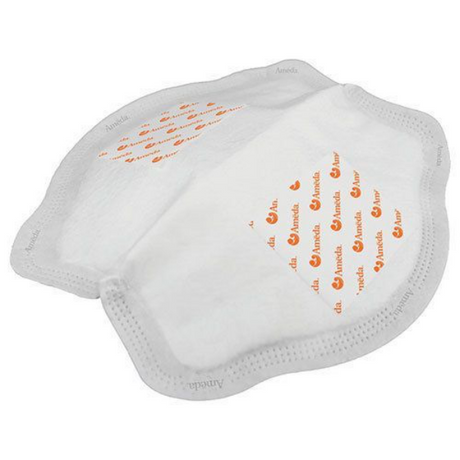
Choose a supportive place to feed and keep essentials nearby. Water, easy-to-eat snacks, burp cloths, nursing pads, a phone charger, and an extra pillow can all be useful. Keeping water and snacks nearby means fewer interruptions once feeding begins. A book, podcast, music, or favorite show may offer a welcome distraction during repeated feeds — as long as mom can remain awake and the baby is held safely.
Plan for Food, Water, and Rest
Regular meals and easy access to water support comfort and energy. If cluster feeding tends to happen during the evening hours, preparing a meal in advance can make the evening routine easier. Protecting your own rest earlier in the day may help too. There is no need to complete every household task before settling in; this stage is temporary, and nonessential chores can wait.
Ask for Practical Help
A partner, friend, or family member can refill water, bring food, manage household tasks, care for older children, or handle diaper changes and burping between feeds. A support system can make this demanding phase more manageable, and small, specific requests are often easier for others to act on than a general request for help.
Use Skin-to-Skin Contact
Skin-to-skin time can help parents notice early feeding cues and may soothe an unsettled baby. It can also create a calmer transition between feeds.
Change Feeding Positions
Alternating positions may reduce repeated pressure on the same areas and help mom find a more comfortable latch. Persistent pinching, rubbing, cracking, bleeding, or severe pain is not something to push through. A lactation professional can observe a feeding and help identify latch or positioning concerns.
Caring for Sore Nipples During Frequent Feeds
Tenderness can feel more noticeable when feedings are close together, but cluster feeding should not require enduring severe or worsening pain. Begin by checking latch and positioning, since topical comfort products do not correct an ineffective latch or poor milk transfer.
Between feedings, ComfortGel® pads may provide cooling relief and protect sensitive nipples from friction against clothing. The reusable pads fit inside most nursing bras and should be used according to the package instructions.
Triple Zero Lanolin can also help moisturize and soothe tender nipples. Its single-ingredient formula contains no additives, preservatives, or BPA and has a neutral smell and taste. Follow the product directions, and contact a healthcare provider if there are signs of infection, severe pain, bleeding, or damage that is not improving.
What About Pumping or Bottle Feeding?
Babies who receive pumped milk or formula may also want frequent bottles for a period of time. Follow the baby's hunger and fullness cues, use a paced approach to bottle feeding when appropriate, and avoid encouraging the baby to finish a bottle after showing signs of fullness.
Moms who are exclusively pumping generally need pumping schedules that support their baby's intake and personal milk-production goals. A lactation consultant or healthcare provider can help develop an individualized plan.
If the baby is nursing effectively at the breast, extra pumping is not automatically necessary during every cluster feeding phase. Adding pumping without a specific need can increase workload and may affect milk production. Personalized guidance is helpful when there are concerns about supply, supplementation, or milk transfer.
When Cluster Feeding May Signal a Problem
Cluster feeding is common, but frequent feeding can sometimes overlap with an ineffective latch, poor milk transfer, low milk supply, illness, or another concern. Contact the baby's healthcare provider or a qualified lactation professional if:
- The newborn usually feeds fewer than eight times in 24 hours
- Swallowing is rarely seen or heard during feeds
- The baby struggles to stay latched or repeatedly slips off the breast
- Wet or dirty diaper output is lower than expected for the baby's age
- The baby continues losing weight after the first several days or is not gaining as expected
- The baby is unusually sleepy, difficult to wake for feeds, or appears unwell
- The baby's skin or eyes appear yellow
- Feedings cause severe, persistent, or worsening nipple pain
- The baby remains distressed after most feedings
- There is any concern that the baby is not receiving enough milk
Trusting a concern and asking for help early can protect milk supply, improve comfort, and identify feeding difficulties before they become harder to manage. Cluster feeding is completely normal for many breastfed babies, but moms never need to wait for a problem to become severe before contacting a lactation consultant or healthcare provider.
You've Got This, Mom
Cluster feeding can make time feel very small: one comfortable place, one hungry baby, and the next feeding already beginning. Preparing a feeding station, accepting practical help, and caring for sore nipples can make the experience gentler. Most importantly, moms do not have to determine on their own whether frequent feeding is normal. Pediatricians and lactation professionals can offer reassurance, observe a feeding, and provide individualized support when something does not feel right.
Cluster Feeding FAQs
Is cluster feeding normal?
Yes. Normal cluster feeding is common, especially during the newborn phase. A baby may group several feeds within a few hours, often later in the day. Milk transfer, diaper output, and weight gain should still be monitored.
Does cluster feeding mean milk supply is low?
Not by itself. Frequent nursing can be part of a normal feeding pattern and helps signal continued milk production. A lactation professional or healthcare provider can assess latch, swallowing, diaper output, and growth if there are concerns.
Can formula-fed babies cluster feed?
Yes. Babies receiving formula or pumped milk may also want several closely spaced feeds. Follow hunger and fullness cues and ask the baby's healthcare provider for guidance about feeding amounts.
Should you pump during cluster feeding?
If the baby is nursing effectively, additional pumping may not be needed. Exclusive pumpers generally express milk frequently enough to meet the baby's needs and support milk production. An individualized plan is best when supply or supplementation is a concern.
Does cluster feeding happen only in the evening?
No. It is often noticed in the late afternoon or evening, but it can occur at any time of day.
At Ameda, we offer breast pumps, accessories, and lactation support designed to help make every stage of your breastfeeding journey more comfortable and manageable.
DISCLAIMER: Ameda strives to present accurate and useful breastfeeding information. This article may contain information and ideas that are not necessarily the views of Ameda. It does not constitute medical advice. Contact a healthcare professional with questions or concerns.