
Published:
Quick Answer
After each pumping session, completely disassemble all parts that came into contact with breast milk. Wash them with mild dishwashing soap and hot water, rinse thoroughly, and allow them to air dry completely on a clean, unused dish towel or paper towel.
Key Takeaways
- Clean all parts that come into contact with breast milk after every pumping session to help prevent milk residue buildup and support safe milk handling.
- Disinfect the flange, soft flange inserts, silicone diaphragm, valve, and collection cup by boiling them in water for 10 minutes before first use.
- Allow all cleaned pump parts to air dry completely before storing them in a clean, cool place.
- Never wash or immerse the pump motor in water. Wipe it with a clean, damp cloth only, if needed.
- Inspect valves, diaphragms, flanges, and collection cups regularly for cracks, tears, discoloration, or worn areas.
- Replace damaged or worn pump parts to help maintain suction, performance, and cleanliness.
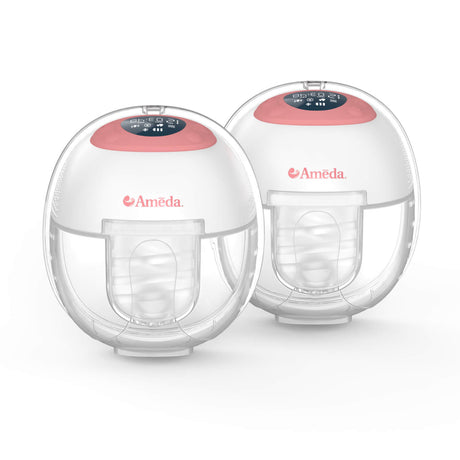
Your Ameda GLO Wearable Breast Pump makes it easy to express milk wherever life takes you—but proper cleaning and care are essential to keep your pump performing its best and help protect your expressed breast milk. Once you establish a simple cleaning routine, caring for your pump parts becomes a quick part of every pumping session. This guide walks you through the cleaning, disinfection, and maintenance recommendations for your Ameda GLO Wearable Breast Pump based on the Instructions for Use (IFU).
Why Cleaning Your Wearable Pump Parts Is Non-Negotiable
Breast milk is amazing—it's packed with nutrients, antibodies, and everything your baby needs. But if milk residue is left behind on your pump parts, it can also create an environment where bacteria can grow. That's why cleaning your pump after every session is such an important part of protecting both your milk and your baby.
The good news? You don't have to be a germophobe or spend hours sanitizing between every session. You just need a reliable routine.
Clean pump parts also help your Ameda GLO perform its best. Over time, milk residue and normal wear can affect components like valves and diaphragms, which may impact suction and pumping performance. Regular cleaning—and replacing worn parts when needed—helps keep every session as efficient as possible.
Know Your Parts
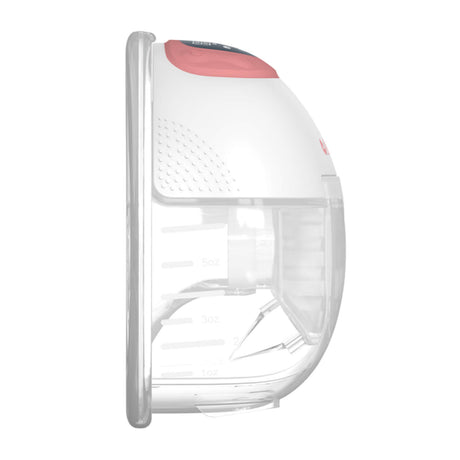
Before you start cleaning, it's helpful to know which parts require your attention. The following Ameda GLO Wearable Breast Pump parts come into direct contact with breast milk and should be cleaned after every pumping session:
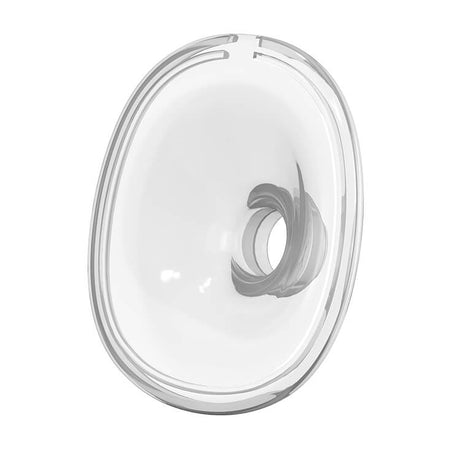
- Flanges (the cup portion that fits against your breast)
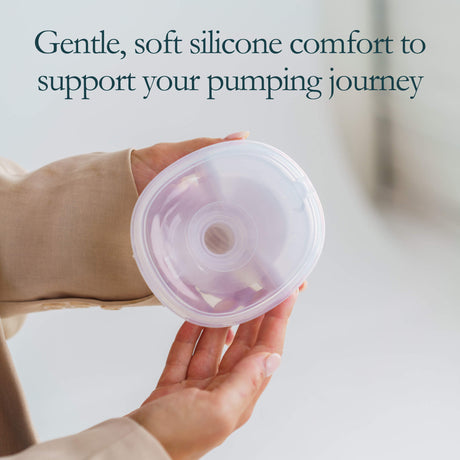
- Soft flange inserts (the silicone cushion inside the flange)
- Silicone diaphragm (the flexible membrane that drives suction)
- Valve (the small piece that controls milk flow)
- Collection cup (where your milk collects)
The pump motor is different. Because it contains the electronics that power your pump, it should never be washed or submerged in water. If it needs cleaning, simply wipe the outside with a clean, damp cloth.
After Every Session: Your Post-Pump Cleaning Routine
This is the step that makes the biggest difference. Cleaning your pump parts as soon as possible after each pumping session helps prevent milk from drying on the parts, making cleanup easier and helping keep your pump ready for the next use.
Step 1: Disassemble completely. Take apart all pump parts that came into contact with breast milk. Cleaning each piece separately helps ensure milk residue doesn't get trapped in small spaces.
Step 2: Wash with mild dishwashing soap and hot water. Clean each part in a clean wash basin reserved for infant feeding items using a clean, soft (to avoid scratching or damaging the parts) brush, then rinse thoroughly with clean running water.
Step 3: Dishwasher option: The flange, soft flange inserts, silicone diaphragm, valve, and collection cup are dishwasher safe when placed on the top rack. Small parts should be placed in a closed-top basket or mesh bag.
Step 4: Air dry completely. Place all parts on a clean, unused dish towel or paper towel and allow them to air dry completely before storing. Avoid rubbing or patting parts dry, as this can introduce bacteria or leave behind lint.
A few things to avoid:
- Don't use brushes on valves or membranes, as they're more delicate than they look and can tear
- Don't store parts while they're still damp
- Don't wipe the motor with anything wet beyond a barely damp cloth
Disinfecting Before First Use
Before you use your Ameda GLO Wearable Breast Pump for the first time, you'll need to disinfect all of the parts that come into contact with breast milk. Even though your pump is brand new, these parts are supplied non-sterile, so this simple first step helps prepare them for safe use with your baby.
Boiling method: Separate the flange, soft flange inserts, silicone diaphragm, valve, and collection cup, then place them in enough boiling water to completely cover each part. Boil for 10 minutes, carefully remove the parts with tongs, and allow them to air dry completely on a clean, unused dish towel or paper towel before reassembling your pump.
After that first disinfection, simply clean your pump parts after every pumping session as part of your regular routine. If you choose to disinfect them again, follow the same boiling instructions above.
Storing Parts Between Sessions
Let's be honest—life gets busy. Whether you're at work, traveling, or simply juggling a busy day with your baby, there may be times when you can't clean your pump parts immediately after pumping.
If you can’t sanitize your pump parts immediately after pumping, you can buy yourself some extra time by using the “fridge hack”. The CDC states that the best practice is to thoroughly wash your pump parts immediately after every session to prevent growth of bacteria via milk residue. However, the CDC also acknowledges that in instances where immediate washing/sanitation isn’t possible, carefully rinsing your pump parts and storing them inside a sealed bag in the refrigerator for a few hours can slow potential bacteria growth well enough to buy some extra time. The CDC emphasizes that there are no studies showing that refrigerating pump parts between sessions is as safe as washing/sanitizing after each use.
Caring for Parts Over Time: When to Replace
Even with the best cleaning habits, pump parts wear down. Silicone stretches, valves soften, and diaphragms can develop tiny cracks or tears that aren't always visible, but still affect how your pump performs.
Before each pumping session, take a quick look at your pump parts for signs of wear or damage, including:
- Cracks or chips in plastic components
- Tears, thinning, or discoloration in silicone pieces
- Valves that look stretched or have lost their shape
- Any part that smells off, even after washing
If you notice any of these signs, replace the affected part before your next pumping session. Worn or damaged parts can affect your pump's performance and suction. Keeping a spare set on hand can help ensure you're always ready for your next pumping session. Learn more about when to replace your breast pump parts here.
Making It Feel Less Like a Chore
Honestly? The moms who build cleaning into their routine, rather than treating it as an interruption, are the ones who find it most manageable. A few things that help:
- Designate a drying spot. Whether it's a corner of the counter or a dedicated drying rack, having one consistent spot means you always know where parts are and whether they've been washed.
- Keep a spare set of pump parts. Having an extra set of flanges, valves, diaphragms, and collection cups means you can take your time cleaning one set while using another when it's time to pump again.
- Short on time? Try Ameda CleanEase™ Microwave Steam Bags. They disinfect compatible pump parts in about 3 minutes in the microwave, making it easy to fit pump care into even your busiest days.
- Start with clean hands. Washing your hands before handling your pump parts is a simple step that helps reduce the chance of transferring germs to parts that come into contact with your breast milk.
You've Got This, Mom
Keeping your Ameda GLO Wearable Breast Pump clean doesn't have to be complicated. By cleaning your pump parts after every session, disinfecting them before first use, and regularly checking them for signs of wear, you'll help keep your pump performing its best throughout your breastfeeding journey.
If you have questions about your specific pump or accessories, Ameda's support team and lactation resources are always here to help. Explore our full line of pump parts and accessories and cleaning and sanitization products to keep your routine running smoothly.
Always refer to your Ameda GLO Instructions for Use (IFU) for complete cleaning, disinfection, and milk storage guidelines specific to your pump.