
Published:
Quick Answer
A typical exclusive pumping schedule during the newborn phase may include about 8 to 10 pumping sessions over 24 hours, often roughly every 2 to 3 hours. Newborns commonly breastfeed 8 to 12 times in 24 hours, so people who pump exclusively often begin with a similar frequency while establishing milk production.
As your milk supply becomes established and your baby gets older, you may be able to gradually drop pumping sessions while maintaining the amount of breast milk your baby needs. There is no single perfect pumping schedule, so pay attention to your total daily output and work with a lactation consultant or healthcare provider if you have concerns about supply or your baby's intake.
Key Takeaways
- During the newborn phase, an exclusive pumping schedule often starts with around 8 to 10 sessions in 24 hours.
- Pumping roughly every 2 to 3 hours can help provide the frequent breast stimulation needed while milk production is being established.
- The total number of pumping sessions over 24 hours is generally more important than following exact clock times.
- Once your supply is established, you may be able to gradually drop sessions, but reducing pumping too quickly may lower milk supply.
- Double pumping can save time when your breast pump supports it.
- Pumping should not be painful. Correct flange fit and comfortable suction can make all the difference.
- Freshly expressed breast milk can generally be refrigerated for up to four days. Freezing for about six months is best for quality, although up to 12 months is acceptable when stored at 0°F or colder.
- There is no single schedule that works for every exclusive pumper. Your baby's age, milk storage capacity, supply, sleep needs, and daily routine all matter.
Exclusive pumping can be a great way to provide breast milk when direct breastfeeding is not possible, does not work for your family, or simply is not the feeding method you prefer. But especially during the newborn phase, keeping up with pumping sessions, bottle feeding, storing milk, washing pump parts, and caring for a baby can feel like a lot.
Having an exclusive pumping schedule can make the routine more manageable. Your schedule does not need to be perfect or happen at exactly the same minute every day. What matters most is finding a pumping routine that supports your milk supply, your baby's feeding needs, and your own well-being.
What Is Exclusive Pumping?
Exclusive pumping means using a breast pump or hand expression to provide breast milk rather than relying on direct breastfeeding for milk removal.
You may choose to pump exclusively for many reasons. A baby may have trouble latching, direct breastfeeding may be painful or difficult, you may be separated from your baby, or exclusive pumping may simply work better for your family.
Providing expressed breast milk still allows your baby to receive human milk even when feeding happens primarily from a bottle. The American Academy of Pediatrics recommends exclusive human milk feeding for approximately the first six months when possible, followed by continued breastfeeding or human milk alongside complementary foods.
Exclusive pumping is also a valid feeding choice. There is no requirement to directly feed at the breast in order for a pumping journey to be successful.
How Often Should You Pump When Exclusively Pumping?
During the first weeks after birth, milk production is still being established. Frequent breast stimulation and milk removal help signal the body to continue producing milk.
Most newborns feed at least 8 to 12 times during a 24-hour period. For someone who is exclusively pumping, a common starting point is to mimic that frequent feeding pattern with roughly 8 to 10 pumping sessions each day.
That usually works out to pumping about every 2 to 3 hours.
You do not have to pump at perfectly even intervals. In many cases, the total number of milk removals over 24 hours matters more than whether every session happens exactly three hours apart.
For example, you may cluster a few daytime pumping sessions closer together so you can get one longer stretch of sleep at night.
Sample Exclusive Pumping Schedule for a Newborn
An exclusive pumping schedule for a newborn might look like this:
| Time | Pumping Session |
|---|---|
| 6:00 a.m. | Pump |
| 9:00 a.m. | Pump |
| 12:00 p.m. | Pump |
| 3:00 p.m. | Pump |
| 6:00 p.m. | Pump |
| 9:00 p.m. | Pump |
| 1:00 a.m. | Pump |
| 5:00 a.m. | Pump |
This sample pumping schedule provides eight sessions in 24 hours while allowing two four-hour stretches overnight.
Another person may need nine or ten sessions to establish or maintain milk supply. Someone producing more milk may eventually find that fewer sessions work for them.
The schedule is a starting point, not a requirement. Your lactation consultant or baby's healthcare provider may recommend a different schedule, especially for a late preterm baby, premature baby, slow weight gain, low milk supply, multiples, or another medical situation.
Sample Pumping Schedule With 9 Sessions
If you need more frequent milk removal, a nine-session sample pumping schedule could look like:
| Time | Pumping Session |
|---|---|
| 6:00 a.m. | Pump |
| 8:30 a.m. | Pump |
| 11:00 a.m. | Pump |
| 1:30 p.m. | Pump |
| 4:00 p.m. | Pump |
| 6:30 p.m. | Pump |
| 9:00 p.m. | Pump |
| 12:00 a.m. | Pump |
| 3:30 a.m. | Pump |
Again, the goal is not to hit these exact times. Shift sessions around feeding baby, appointments, work, sleep, and the rest of your day.
Exclusive Pumping Schedule After Your Supply Is Established
As your baby gets older and your supply becomes more predictable, you may find that you can gradually increase the number of hours between pumping sessions.
There is no universal point when everyone should drop sessions. Breast storage capacity and milk production vary significantly from person to person. Some exclusive pumpers can maintain their daily milk volume with six sessions, while others continue to need seven or eight.
A sample pumping schedule with six sessions might look like:
| Time | Pumping Session |
|---|---|
| 6:00 a.m. | Pump |
| 10:00 a.m. | Pump |
| 2:00 p.m. | Pump |
| 6:00 p.m. | Pump |
| 10:00 p.m. | Pump |
| 2:00 a.m. | Pump |
Do not feel pressured to move to fewer sessions simply because of your baby's age. If your milk supply drops after reducing sessions, you may need to add one back.
Keeping track of total daily output for about a week before and after a schedule change can help you see how your body responds.
When Can You Drop a Pumping Session?
A good time to consider dropping a session is generally after your milk supply has become established and your current routine is producing enough milk for your baby's needs.
Rather than dropping several pumping sessions at once, make changes gradually.
You might:
- Choose the session that is most disruptive to your routine.
- Slowly increase the amount of time between that session and the sessions around it.
- Give your body several days to adjust.
- Watch your total daily milk output.
- Add the session back if your supply drops more than you are comfortable with.
Pumping less frequently can reduce milk production for some people because milk production responds to breast stimulation and milk removal. American College of Obstetricians and Gynecologists (ACOG) identifies frequent breast stimulation and milk removal as the primary strategy used when trying to increase milk supply.
Do You Need to Pump at Night?
During the early weeks, pumping at night can make it easier to reach the number of daily pumping sessions typically needed to establish supply.
That does not necessarily mean waking every two hours all night.
Sleep matters, too. A pumping schedule that leaves you exhausted may be difficult to maintain. Depending on your milk supply and your baby's needs, you may be able to arrange daytime sessions so you have a longer four- to five-hour stretch of sleep at night.
If removing a night session causes a noticeable drop in milk supply, consider adding it back or talking with a lactation consultant about other ways to adjust your schedule.
How Long Should Each Pumping Session Be?
Many pumping sessions last around 15 to 20 minutes when double pumping, although there is no universal session length.
How long you need to pump can depend on:
- Your breast pump
- Your let-down pattern
- Your milk supply
- How recently you last pumped
- Your flange fit
- Whether you are using a single pump or double pumping
- Your body's individual response to pumping
Some people need shorter pumping sessions, while others need longer.
Rather than focusing only on the clock, pay attention to how your breasts feel, your normal milk flow, and your typical output.
If you regularly need very long sessions to express milk or your output has changed significantly, check your flange fit, pump settings, and pump parts.
Our Breast Pumping Guide includes additional information about getting started and using a breast pump.
Is 120 Minutes of Pumping Per Day Necessary?
You may see exclusive pumping tips recommending around 120 minutes of total day pumping time.
That can be a useful planning benchmark for some exclusive pumpers, but it should not be treated as a universal rule.
Frequency and effective milk removal matter, especially while milk production is being established. Pediatric lactation guidance for pump-dependent parents commonly recommends at least eight expressions per 24 hours early on, with individual recommendations varying depending on the parent and baby.
Someone who responds quickly to double pumping may not need the same number of total minutes as someone whose milk lets down more slowly.
1. Choose the Right Breast Pump for Exclusive Pumping
When you pump exclusively, your breast pump becomes a major part of everyday life. Reliability, comfort, portability, and ease of cleaning can all make a significant difference.
Hospital Grade Pumps
Hospital grade pumps are built for frequent use and can be used by multiple people with separate milk collection kits.
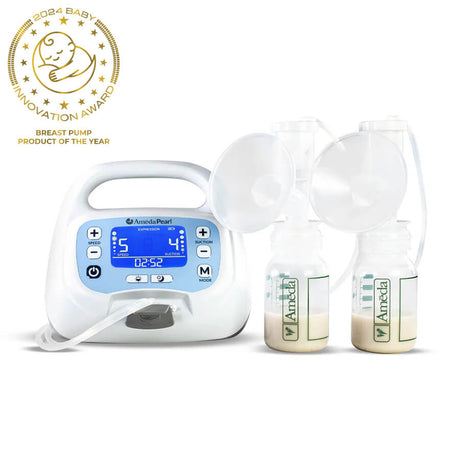
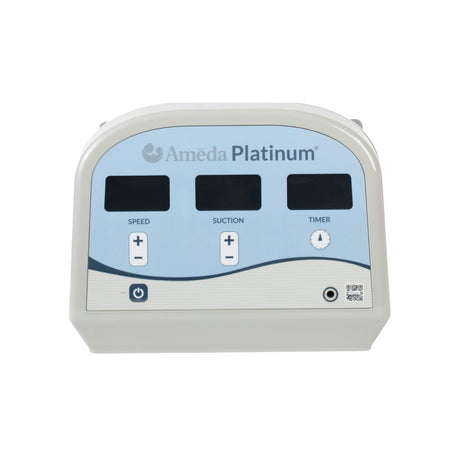
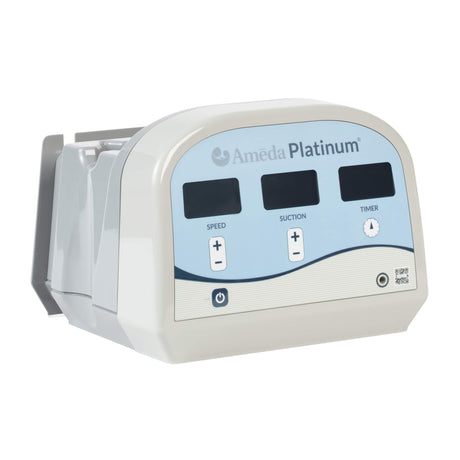
Our Ameda® Pearl® Multi-User Hospital Grade Breast Pump is designed for hospital, rental, WIC, and home environments, while our Ameda Platinum® Multi-User Hospital Grade Electric Breast Pump is available for clinical use and home rental.
Personal Electric Pumps
Personal electric pumps can be practical for an established daily pumping routine.
Our Mya Joy Hospital Strength Portable Electric Breast Pump supports single or double pumping and is designed to be lightweight and portable.
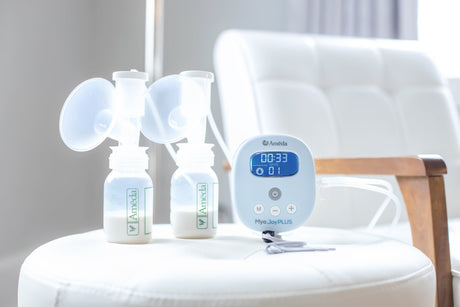
Our Mya Joy PLUS is another rechargeable portable double breast pump option.
Wearable Pumps
Wearable pumps can add flexibility when fitting pumping into work, chores, travel, or caring for your baby.
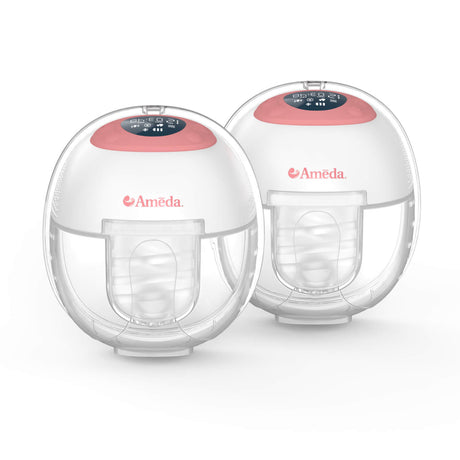
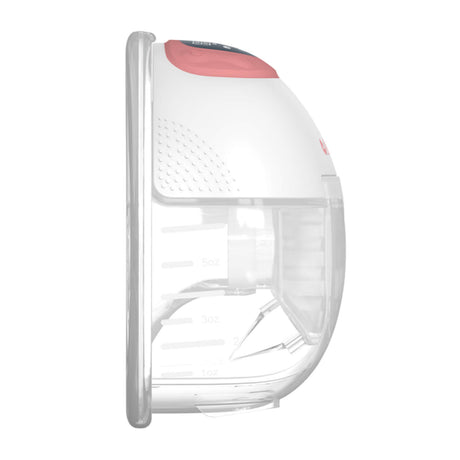
Our GLO® Wearable Breast Pump is a hands-free electric pump designed to be worn inside the bra, allowing more freedom of movement during a pumping session.
For people who use a traditional double electric pump, a hands free pumping bra can provide some of the same freedom by holding the flanges in place during double pumping.
Manual Pumps
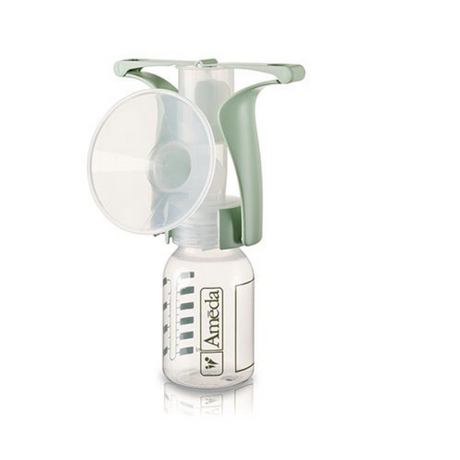
A manual pump can also be helpful as a backup or for occasional pumping. Our Ameda Manual Breast Pump is intended for occasional expression rather than serving as the primary pump for a demanding exclusive pumping schedule.
The best pump is ultimately the one that fits your pumping needs and that you can use comfortably and consistently.
2. Make Sure Your Flange Fits
Flange fit can make all the difference in comfort and milk flow.
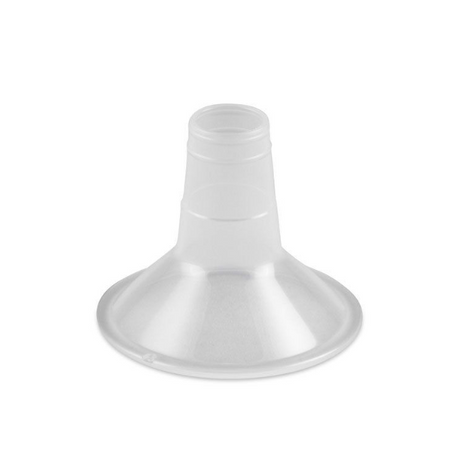
A flange that is too small may restrict nipple movement and cause rubbing, pinching, or pain. A flange that is too large may pull too much breast tissue into the tunnel.
With a good fit, the nipple should move freely within the flange tunnel without significant rubbing or discomfort.
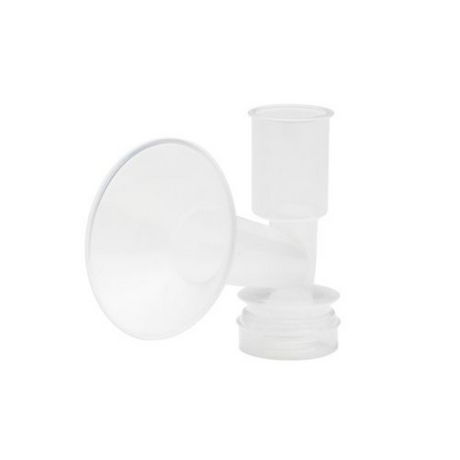
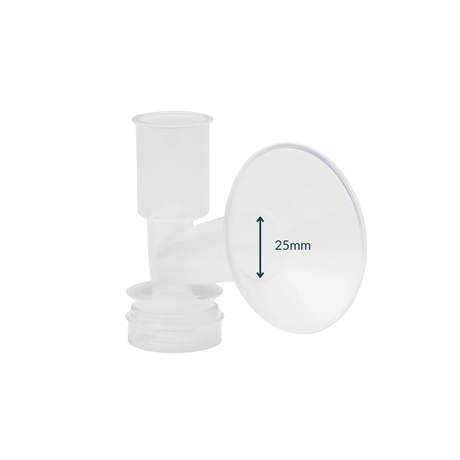
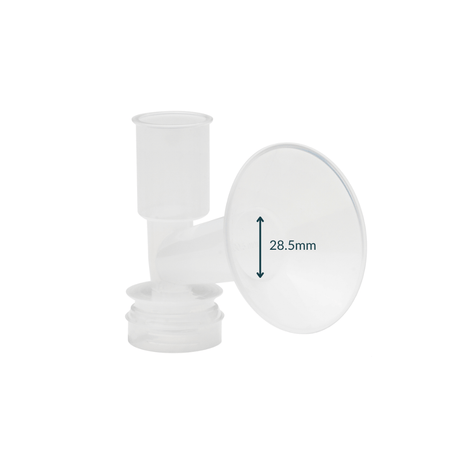
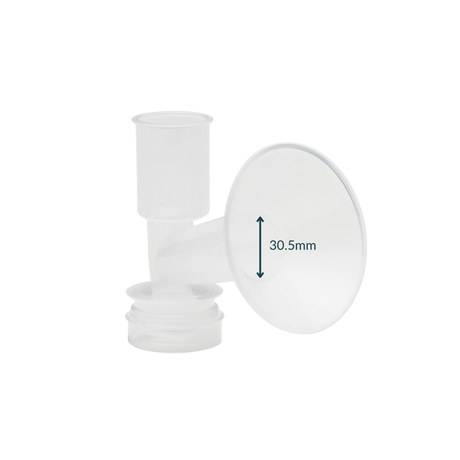
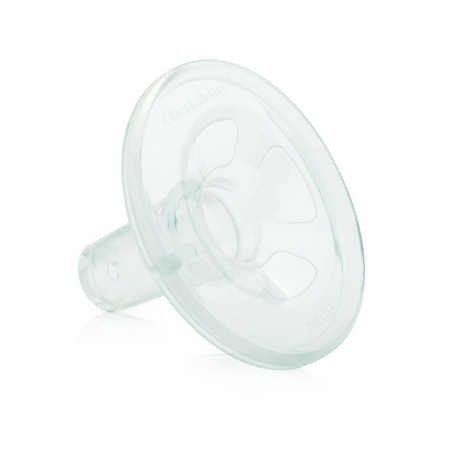
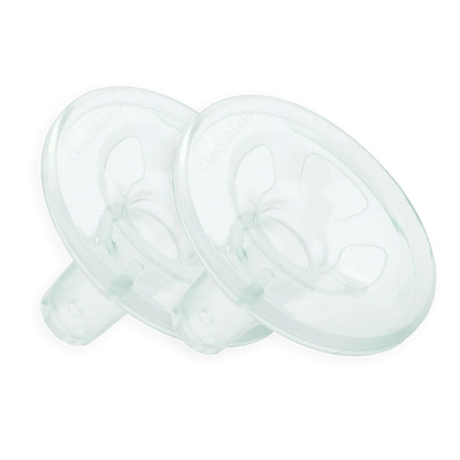
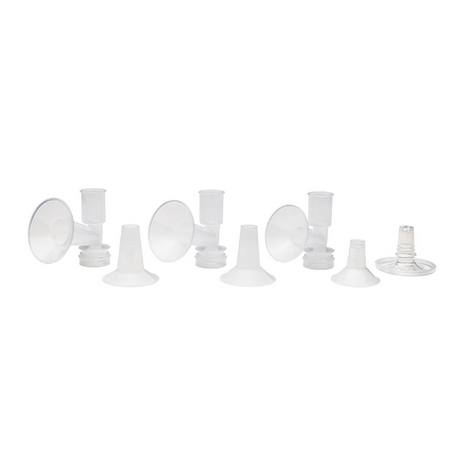
Our CustomFit™ breast pump flanges and inserts provide multiple sizing options for compatible Ameda pumps.
GLO uses its own flange system, with GLO flanges available in multiple sizes.
Pumping should not routinely hurt. If it does, check your flange size and suction settings or talk with a lactation consultant.
3. Make Your Pumping Routine Easier to Maintain
A perfect pumping schedule does not exist.
A schedule only works if you can realistically maintain it while feeding baby, sleeping, working, and living your life.
A few ways to make your pumping routine easier include:
- Set phone alarms or calendar reminders for pumping sessions.
- Double pump when possible to save time.
- Keep spare pump parts available so one missed washing session does not derail the day.
- Create a small pumping station with bottles, storage bags, water, snacks, and chargers.
- Keep a backup manual pump available for travel or power outages.
- Use a wearable pump or hands free pumping bra when appropriate.
- Track daily output rather than obsessing over the amount from a single session.
One pumping session may produce less milk than another. Morning output may also look different from evening output. Looking at the entire day gives you a better picture of your overall supply.
4. What If Your Milk Supply Starts to Drop?
A drop in output does not automatically mean something is wrong.
First, look at what has recently changed:
- Did you drop a pumping session?
- Have you started going more hours between sessions?
- Are pump parts worn and in need of replacement?
- Has your flange fit changed?
- Are you sick, stressed, or sleeping differently?
- Has your baby recently had a growth spurt?
- Are you eating and drinking normally?
If you need to increase milk supply, increasing breast stimulation and milk removal is one of the first strategies commonly recommended.
That may mean temporarily adding a pumping session rather than simply making every existing session much longer.
What About Power Pumping?
Power pumping is a technique that uses several shorter pumping and rest periods within one longer block of time to imitate periods of frequent feeding.
Some exclusive pumpers try it when they want additional breast stimulation, but it is not necessary for everyone and should not replace a regular pumping schedule.
If milk supply remains lower than your baby's needs despite frequent pumping, talk with a lactation consultant or healthcare provider. Low supply can have many causes, and simply pumping more is not always the complete answer.
5. Keep Pump Parts Clean and Ready
When you are pumping several times every day, regular cleaning can start to feel like a second job.
Having an extra set of pump parts can make the routine easier, especially during the newborn phase or when returning to work.
The CDC recommends cleaning pump parts that come into contact with breast milk after use and following the manufacturer's instructions for your specific equipment.
Getting family members or other support people involved with washing pump parts, preparing clean bottles, or organizing storage bags can take some of the workload off you.
6. Store Pumped Breast Milk Safely
If you pump more milk than your baby eats right away, store it according to current breast milk storage guidelines.
Freshly expressed breast milk can generally be kept:
- At room temperature for up to 4 hours
- In the refrigerator for up to 4 days
- In the freezer for about 6 months for best quality, although up to 12 months is acceptable at 0°F or colder
Label bottles or storage bags with the date the milk was expressed and use older milk first when practical.
If you build up frozen milk, rotate through your freezer supply rather than letting bags continually collect in the back of the freezer.
7. Take Care of Yourself, Too
Exclusive pumping takes time and energy.
Try to:
- Stay hydrated and drink plenty based on your thirst.
- Eat regular meals and snacks.
- Protect a reasonable stretch of sleep when possible.
- Ask someone else to handle bottle washing or pump parts.
- Let another family member take over a bottle feeding while you rest.
- Spend time with friends, family, or a breastfeeding support group.
- Give yourself flexibility when the day's schedule does not go exactly as planned.
Missing one session does not mean you have failed. If it becomes a frequent pattern, though, watch your milk supply and adjust your schedule if needed.
Exclusive pumping needs to work for the person doing the pumping, too.
Exclusive Pumping and Bottle Feeding
When you pump exclusively, pumping and bottle feeding become two separate parts of the feeding schedule.
You do not necessarily have to pump every time the baby eats.
For example, your baby may take a bottle while you are pumping, or someone else may handle the bottle feeding while you pump, eat, shower, or rest.
As your routine becomes more established, you may find it easier to coordinate feeding and pumping without trying to make both happen simultaneously every time.
What Happens When Baby Starts Solid Foods?
The American Academy of Pediatrics (AAP) recommends introducing complementary foods at around six months while continuing breast milk as part of the baby's diet.
Starting solid foods does not automatically mean it is time to rapidly drop pumping sessions. Breast milk or infant formula continues to play an important nutritional role during infancy.
Watch how much milk your baby is actually drinking and how your supply responds before making major changes to your schedule.
Frequently Asked Questions About Exclusive Pumping Schedules
How many times a day should I pump if I exclusively pump?
During the newborn phase, many exclusive pumpers begin with about 8 to 10 pumping sessions per 24 hours, roughly mirroring how frequently newborns typically feed. Newborns commonly feed 8 to 12 times in 24 hours.
Your individual needs may be different, especially once your milk supply is established.
How often should I pump at night?
If you are establishing milk supply, at least one overnight session can make it easier to maintain enough milk removals over 24 hours.
You do not necessarily need to pump every two hours all night. Many people arrange their exclusive pumping schedule to allow one longer stretch of sleep while keeping enough daytime sessions.
Can I go five hours without pumping at night?
Some exclusive pumpers can manage a four- to five-hour sleep stretch, while others notice a supply drop when the overnight interval gets longer.
During the early newborn phase or if milk supply is a concern, talk with a lactation consultant before regularly extending the time between sessions.
How long should an exclusive pumping session last?
Many double pumping sessions take about 15 to 20 minutes, but session length varies. Pumping effectiveness, flange fit, let-down, supply, and the type of breast pump can all affect how long you need.
When can I drop from 8 pumps per day?
There is no universal baby's age when everyone can safely drop a session.
Once your milk supply is established, you can try gradually reducing pumping frequency while tracking total daily output. If supply drops more than you want, add the session back.
Is double pumping better for exclusive pumping?
Double pumping can make a demanding schedule easier by expressing milk from both breasts at the same time. This can reduce the amount of time spent attached to a pump during the day.
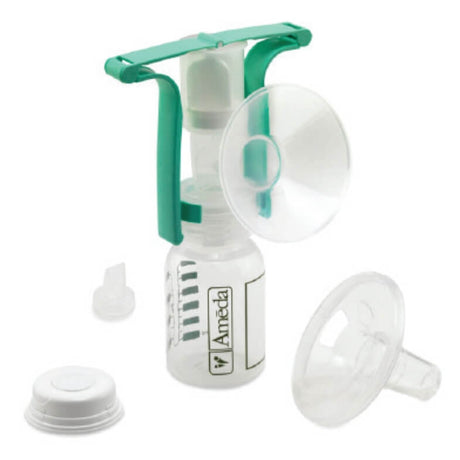
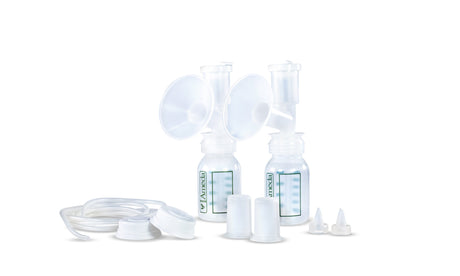
Our HygieniKit® system supports single or double pumping with compatible Ameda pumps.
How much milk should I pump each session?
There is no single amount you should expect from every pumping session.
How much milk you express can vary by time of day, how recently you pumped, milk supply, breast storage capacity, and your baby's age. Looking at total daily production is usually more useful than judging one individual session.
If your baby's intake, growth, or your milk production concerns you, talk with your baby's healthcare provider or a lactation consultant.
Can I exclusively pump from birth?
Yes. Some people start pumping from birth because their baby cannot directly breastfeed, because they are separated from their baby, or because exclusive pumping is their preferred feeding method.
When a newborn cannot breastfeed directly, pediatric lactation guidance commonly recommends frequent milk expression, often at least eight times per 24 hours, to help establish milk production.
Find an Exclusive Pumping Schedule That Works for You
Exclusive pumping is a commitment, but your schedule does not have to control every part of your day.
Especially early in your pumping journey, frequent and consistent pumping can help establish and maintain milk production. As your baby gets older and your supply becomes more predictable, you may be able to gradually adjust your schedule to fit work, sleep, bottle feeding, and family life.
A good pump, comfortable flange fit, flexible pumping schedule, clean spare parts, and support from the people around you can make the routine much easier.
At Ameda, we offer breast pumps, pumping accessories, flange options, and educational resources designed to support different stages of the breastfeeding journey. You can also explore our Breast Pumping Guide for more help with pumping, fit, milk storage, and everyday pump use.
If you are struggling to maintain milk supply, experiencing pain, or are unsure whether your pumping schedule is meeting your baby's needs, reach out to a lactation consultant or healthcare provider for individualized guidance.
This article provides general breastfeeding and pumping education and is not a substitute for advice from your healthcare provider.