
Published:
Quick Answer
Breast pump parts should be replaced regularly because worn components can reduce suction, affect milk flow, and compromise pump hygiene. Following recommended timelines helps keep your pump clean, safe, and performing at its best.
Key Takeaways
- Daily pumping causes natural wear to pump parts, even with proper cleaning
- Timely replacement helps maintain consistent suction and pumping efficiency
- The Ameda GLO has specific parts with different replacement schedules
- Reduced suction is often a sign that a part needs replacing, not the pump itself
Understanding Wear and Tear in Breast Pump Parts
Breast pumps are designed to support you through your feeding journey, but like any tool used daily, their parts experience natural wear and tear. Replacing breast pump parts on schedule helps maintain strong suction, supports proper hygiene, and ensures each pumping session is as efficient and comfortable as possible.
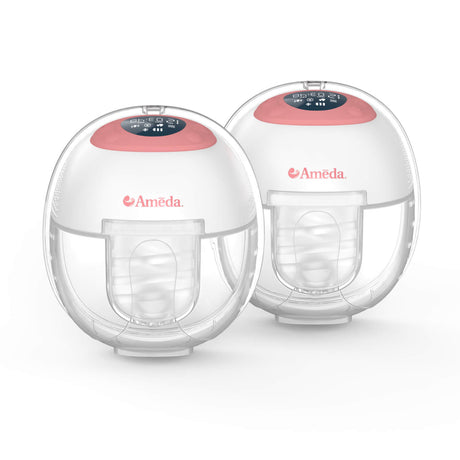
If you use the Ameda GLO, understanding when and why to replace its pump parts can make a noticeable difference in performance and peace of mind.
Why Breast Pump Part Replacement Matters
Over time, pumping essentials can stretch, crack, or weaken from repeated use. Even when parts appear intact, subtle wear can affect suction strength and overall pump performance. Regular replacement helps prevent bacteria buildup, protects milk pathways, and supports a cleaner pumping experience for both parent and baby.
Replacing parts as recommended is a simple way to keep your pump working as intended without unexpected interruptions.
Getting Started with the Ameda GLO
The Ameda GLO is designed for reliable, efficient pumping with parts that are easy to maintain and replace. Like all breast pumps, the GLO performs best when its components are refreshed on schedule. Staying ahead of part replacement helps maintain consistent suction and ensures each session feels familiar and dependable.
How Often to Replace Ameda GLO Pump Parts
Different pump parts wear out at different rates. Understanding each component’s role makes it easier to recognize when replacement is needed.

Diaphragms
Recommended replacement: Every 2 months
Breast pump diaphragms are flexible silicone pieces that fit into a designated slot on the milk collection cup. Positioned on the back side of the flange between the flange and the milk cup, they create a closed system barrier that separates air and milk flow.
In wearable breast pumps, the design may vary slightly, but the diaphragm serves the same important protective function.
Over time, diaphragms can stretch, weaken, or develop small tears that affect suction and system performance. Replacing them every two months, or sooner if wear is visible, helps maintain consistent suction and supports safe, hygienic milk expression.
Valves
Recommended replacement: Every 2 months
Valves play a key role in creating suction by stretching and releasing during pumping. As valves wear, suction often becomes weaker or inconsistent. In many cases, a sudden drop in suction is caused by a worn valve rather than an issue with the pump motor.
Replacing valves every eight to twelve weeks helps restore proper suction and keeps pumping sessions running smoothly.
Flange Inserts
Recommended replacement: Every 2 months or sooner if worn
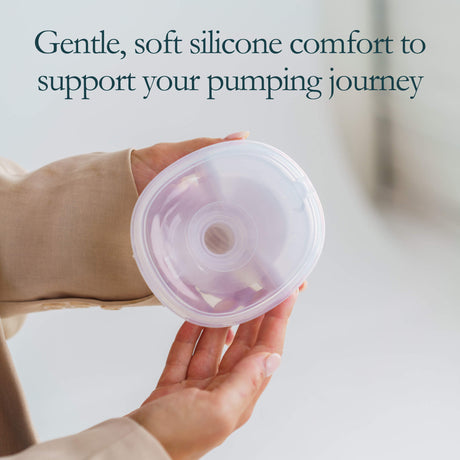
Flange inserts help create a proper fit inside the breast shield, which is essential for comfort and effective milk removal. With frequent pumping, inserts can stretch, thin out, or lose their shape, leading to reduced suction and increased discomfort.
Replacing flange inserts regularly supports a secure fit, protects nipple health, and helps maintain consistent pump performance.
Collection Cups
Recommended replacement: Every 3 months
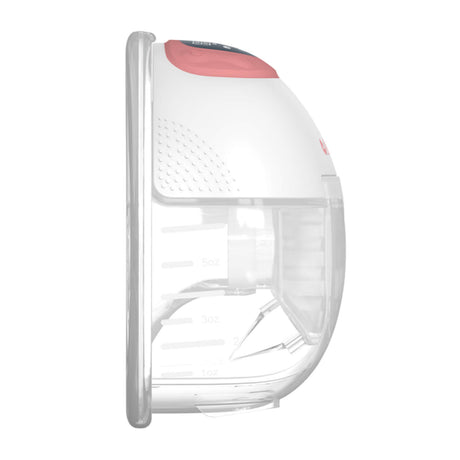
Collection cups come into direct contact with milk and skin, so regular inspection is important. Over time, cracks, cloudiness, or changes in shape can affect comfort, hygiene, and overall performance. Replacing collection cups every three months helps maintain proper fit and supports clean, efficient milk collection.
Flanges
Recommended replacement: Every 3 months
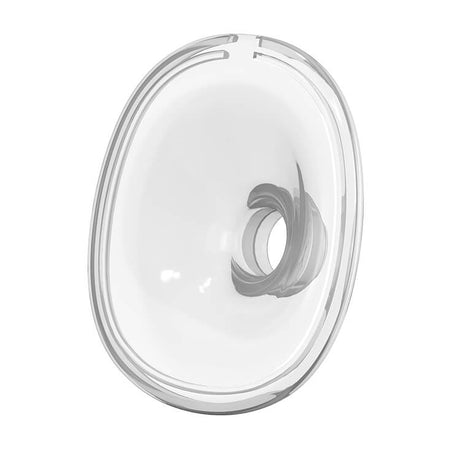
Flanges also make direct contact with both skin and milk, which means wear can impact comfort and pumping efficiency. Signs like loss of shape, surface wear, or reduced comfort may indicate it’s time for a replacement. Changing flanges every three months helps support a comfortable pumping experience and consistent milk flow.
Signs It’s Time to Replace Pump Parts
If you notice any of the following, replacement may be overdue:
- Reduced or inconsistent suction
- Longer pumping sessions with less output
- Visible cracks, stretching, or tears
- Moisture or milk where it should not be
- Changes in comfort during pumping
Keeping Your Pump Clean, Safe, and Performing Its Best
Even with careful cleaning, pump parts naturally degrade over time. Replacing worn components helps reduce the risk of bacteria growth, supports strong suction, and keeps your pump operating safely. Staying on schedule minimizes surprises and helps each pumping session feel familiar and reliable.
Replace Your Pump Parts with Ease
Ameda offers replacement pump parts and accessories designed to work seamlessly with the Ameda GLO. Keeping a few essentials on hand makes it easier to stay on schedule and maintain optimal pump performance without interruption.
Small Replacements, Big Impact
Replacing breast pump parts may feel like a small task, but it plays a big role in maintaining suction strength, hygiene, and overall pumping comfort. By following recommended timelines and watching for signs of wear, you can help keep your Ameda GLO Wearable Breast Pump performing at its best throughout your pumping journey. Contact us today to learn more.