
Published:
Quick Answer
Breast pump parts for the Ameda Mya Joy and Ameda Mya Joy PLUS should be replaced regularly to maintain strong suction, and proper hygiene. Most soft components like valves and diaphragms should be replaced about every three months or sooner if suction drops.
Key Takeaways
-
Worn pump parts are one of the most common causes of low suction
-
Diaphragms and valves should be replaced every three months or sooner with frequent use
-
Flanges and tubing should be replaced when signs of wear appear
-
Replacement kits make it easier to stay on schedule
-
Regular maintenance helps support comfort and consistent performance
Why Replacing Breast Pump Parts Matters
Breast pumps rely on small, flexible components to create and maintain suction. Over time, these parts naturally wear down through regular use, cleaning, and handling. Even when damage is not visible, subtle changes in shape or flexibility can affect how the pump performs.
Replacing parts on schedule helps maintain consistent suction, supports proper consistent suction, and keeps the system clean. It also helps prevent small issues from turning into larger performance problems during pumping sessions.
Understanding the Mya Joy and Joy PLUS Components
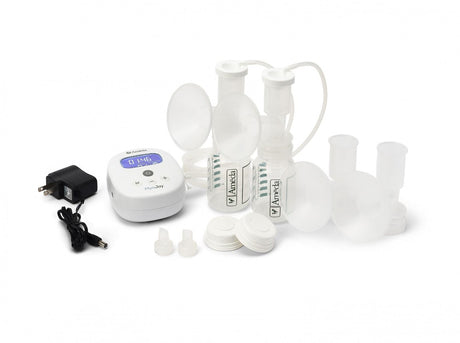
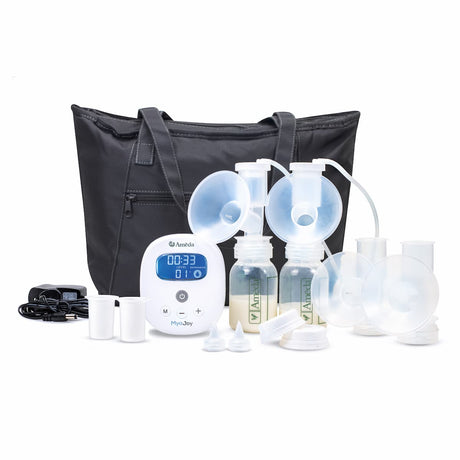
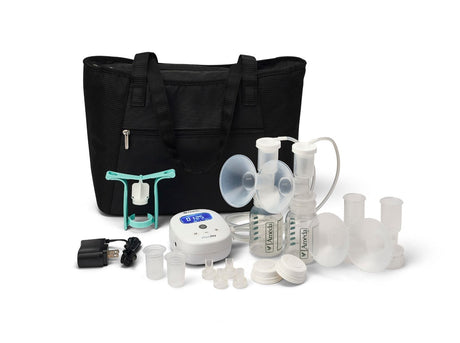
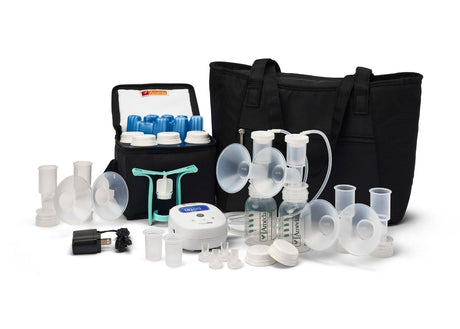
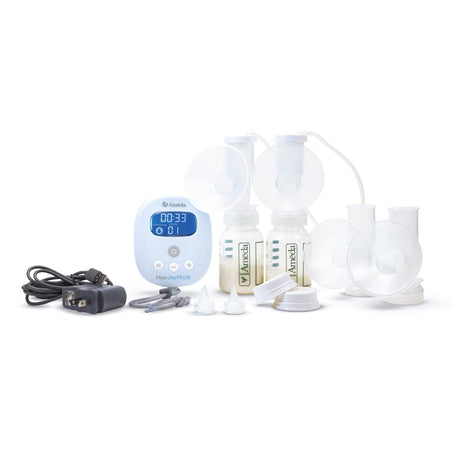
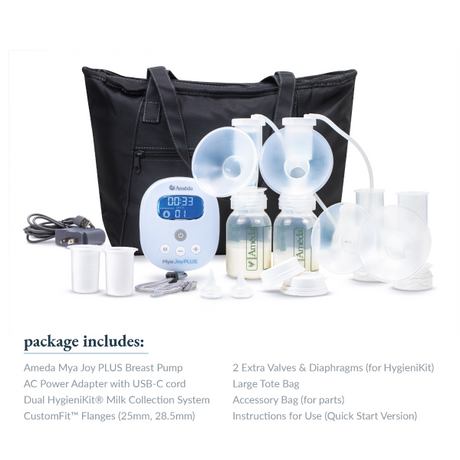
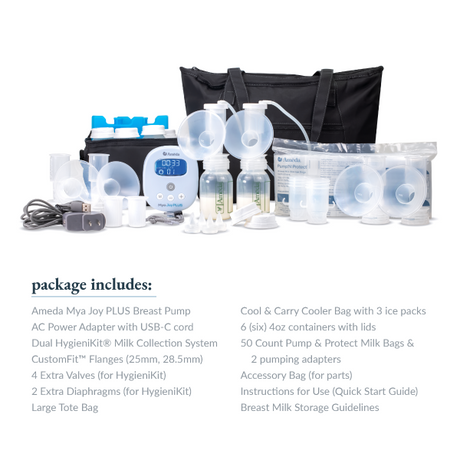
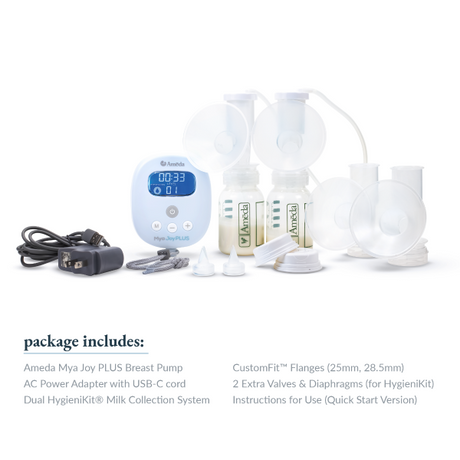
The Ameda Mya Joy and Mya Joy PLUS use the same core components, which makes replacement simple and consistent across both models.
These systems are designed to be easy to maintain, but like any breast pump, performance depends on keeping parts in good condition. Knowing which components wear out faster can help you stay ahead of common issues.
How Often to Replace Mya Joy and Joy PLUS Parts
Different parts wear at different rates depending on how often you pump.
Diaphragms and Valves
Recommended replacement: Every 3 months for periodic pumping, or sooner if suction decreases
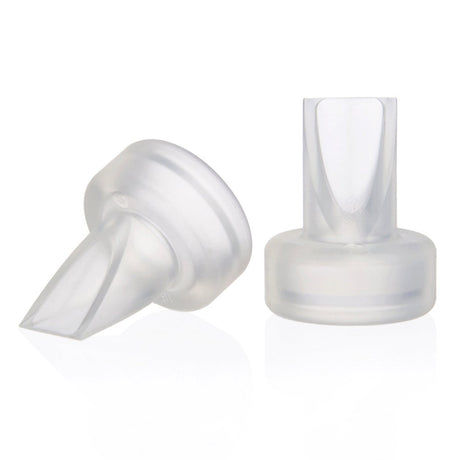
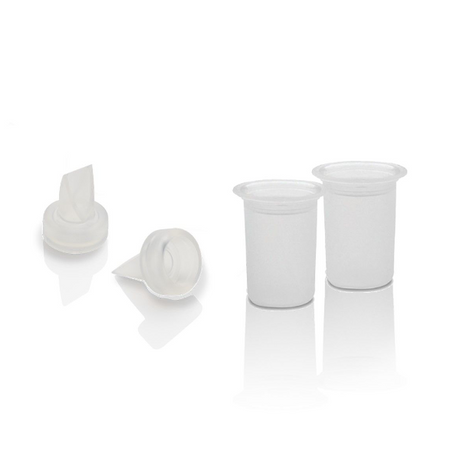
Diaphragms and valves are responsible for creating and maintaining suction. As these parts stretch or lose their shape, suction can become weaker or inconsistent. In many cases, a drop in performance is caused by these components rather than the motor.
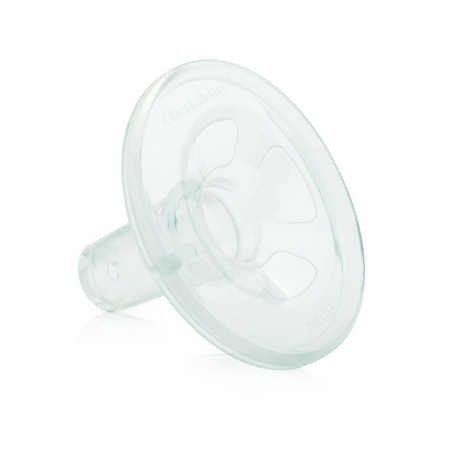
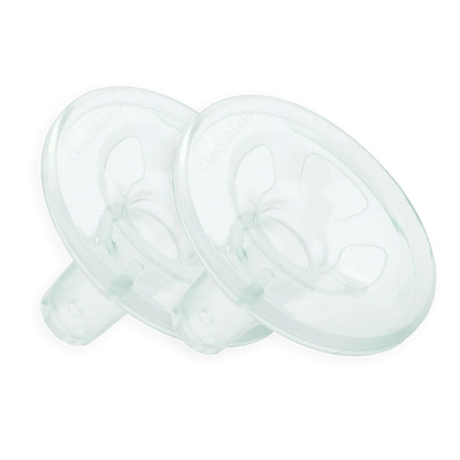
If you use silicone inserts, they should be replaced on a similar schedule to maintain proper fit and performance.
Replacement options include:
-
131X03 Universal Spare Parts Kit
-
000X01 Silicone Replacement Valves and 000X02 Universal Diaphragm pair
-
17112 Ameda Hygienikit Spare Parts Kit
-
17456 Ameda Hygienikit Universal Kit
Flanges
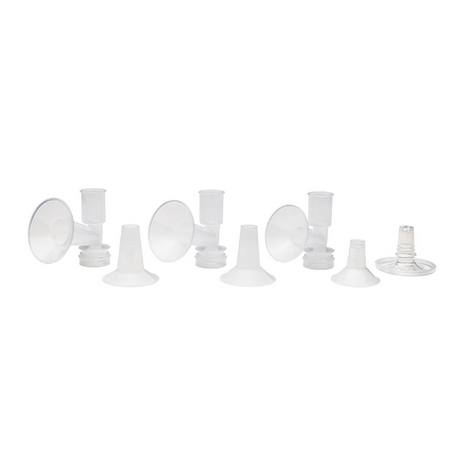
Replace when wear or damage is visible
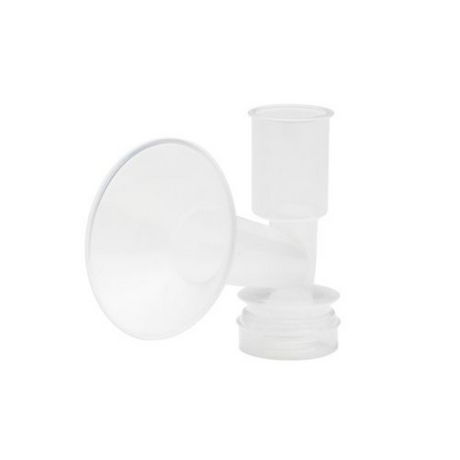
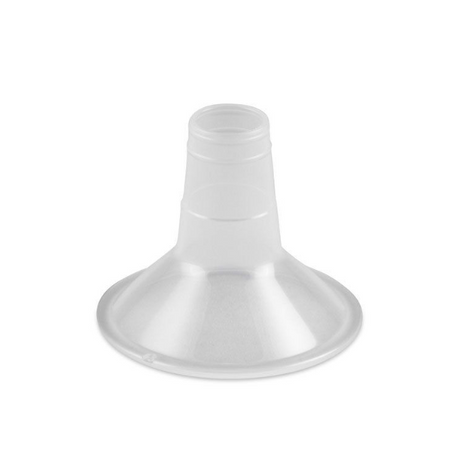
Flanges come into direct contact with both skin and milk, which means their condition can impact comfort and efficiency. Over time, they may lose their shape or become less comfortable, which can affect suction and comfort.
If you notice discomfort, reduced output, or visible wear, replacing flanges can help restore a better fit and improve performance.
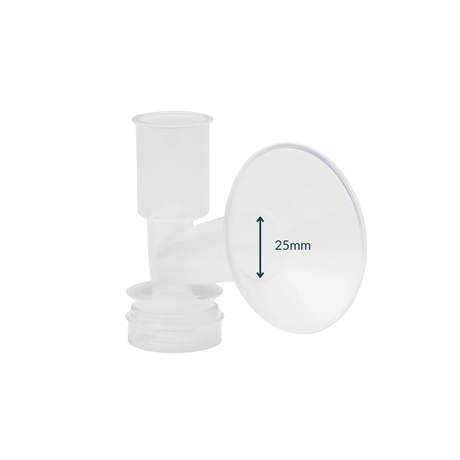
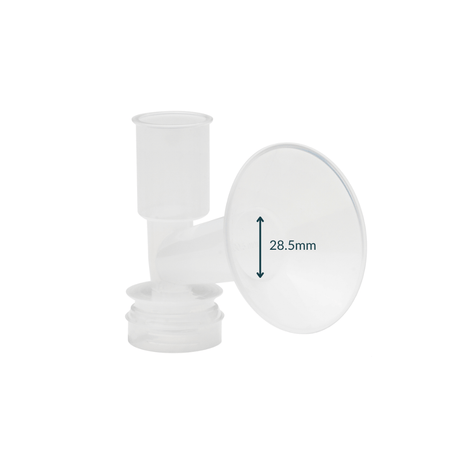
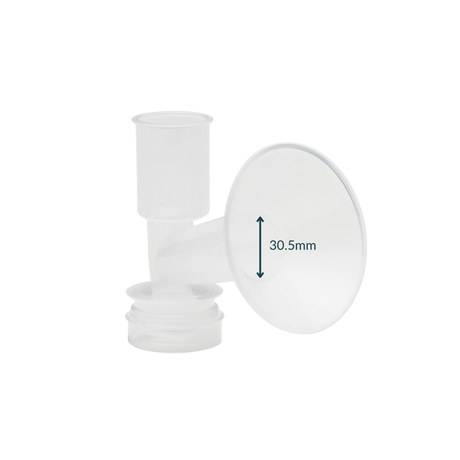
Flanges (10012, 25mm Flange, etc.)
Tubing
Replace when needed based on the condition
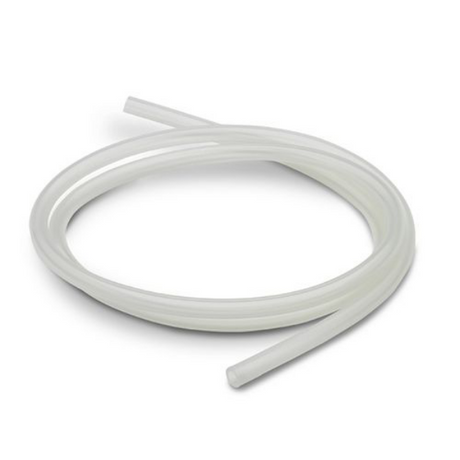
Tubing plays a supporting role in maintaining airflow within the system. While it does not wear as quickly as soft silicone parts, it should be replaced if you notice moisture buildup(which is not typical in Ameda’s closed system), reduced airflow, or any signs of damage.
Using properly functioning tubing helps maintain consistent suction throughout each session.
Tubing (10003, Silicone Replacement Tubing, 2 count)
Signs It’s Time to Replace Pump Parts
Even if you are following a general schedule, it is important to watch for signs that parts may need to be replaced sooner. These signs often indicate normal wear rather than a problem with the pump itself.
-
Suction feels weaker or inconsistent
-
Pump sessions take longer than usual
-
Milk output decreases and suction also feels weaker
-
Parts appear stretched, cloudy, or damaged
-
Comfort changes during pumping
Why Suction Loss Is Often a Parts Issue
One of the most common concerns with portable pumps is reduced suction. In many cases, the issue is not mechanical.
Small components like valves and diaphragms are designed to flex repeatedly. Over time, this repeated movement causes them to lose elasticity. When this happens, the pump cannot maintain the same level of suction, even if the motor is working correctly.
Replacing these parts is often the quickest way to restore performance.
Making Replacement Easier
Keeping replacement parts on hand can help you avoid interruptions in your pumping routine. Instead of waiting until performance drops, having extra components available allows you to swap them out as needed.
Using complete kits can simplify the process, especially for parts that are commonly replaced together. This also helps ensure compatibility and consistent performance across all components.
Keeping Your Pump Performing Consistently
Regular maintenance is one of the simplest ways to keep your breast pump working as expected. Even with proper cleaning, parts will gradually wear down over time. Staying on a replacement schedule helps maintain suction strength, properly functioning parts and keeps each session efficient.
For Ameda Mya Joy and Ameda Mya Joy PLUS users, replacing key components at the right time helps ensure your pump continues to perform reliably without unnecessary troubleshooting.
Small Changes That Make a Big Difference
Replacing breast pump parts may seem like a small task, but it plays a major role in comfort, consistency, and overall performance.
By staying aware of how your pump is functioning and replacing worn components when needed, you can maintain a more reliable and effective pumping experience throughout your routine. Contact us today to learn more.