
Published:
Quick Answer
Most wearable breast pump issues are caused by battery charge, improper assembly, incorrect flange fit, or expected pump behavior. Checking power, seal, and fit usually resolves the problem quickly.
Key Takeaways
-
Most issues come from assembly, fit, or charging mistakes
-
Low suction is often related to valve or diaphragm placement
-
Battery performance depends on proper charging
-
Leaks are usually caused by positioning or a poor seal
-
Discomfort is often linked to flange size or suction level
-
Small adjustments can improve performance
Why Wearable Breast Pump Issues Happen
Wearable breast pumps are designed for convenience, but they rely on precise assembly, proper fit, and correct usage to perform consistently. Because these pumps are compact and self-contained, even small issues like a loose seal or incorrect positioning can affect suction and milk output.
Understanding how the pump functions and what to check first can help you resolve common problems without interrupting your routine.
Power and Battery Issues
Pump Will Not Turn On
If your wearable breast pump does not turn on, the issue is usually related to how the device is powered or activated. These pumps require a firm press and hold to start, rather than a quick tap.
Start by holding the power button for at least three seconds. If nothing happens, confirm the battery is charged and that the charging cable has been removed. Some pumps will not power on while connected to a charger.
If the pump still does not respond, perform a hard reset by holding the power button for about fifteen seconds. This can resolve minor internal glitches and restore normal function.
Pump Turns Off Unexpectedly
Automatic shutoff is often mistaken for a malfunction, but it is a built-in feature. Many wearable pumps are programmed to stop after a set amount of time to protect both the motor and the user.
If your pump shuts off, it may have reached a preset pumping time limit or remained paused for too long. Restarting the session will allow you to continue without issue.
Battery Not Charging or Draining Quickly
Battery performance depends heavily on how the pump is charged. Using non-recommended adapters can interfere with the motor and reduce long-term performance.
Use a standard one to two amp charging block and allow the pump to charge fully for about two hours. Make sure the collection cup is removed during charging, as this can affect how the device powers up.
If the battery still does not perform as expected, try resetting the device. Keep in mind that many wearable pumps typically provide around one hundred minutes of use per full charge, so recharging between sessions is normal.
Pump Noise or Vibration
Changes in sound or vibration can sometimes be noticeable during use. In some cases, this is normal and may be related to mode changes or suction adjustments.
However, if the pump sounds unusually loud or begins vibrating more than expected, it may indicate an issue with assembly or part placement. Checking that all components are properly fitted and undamaged can often resolve the problem.
Suction Problems
Low or No Suction
Low suction is one of the most common issues and is usually caused by assembly or sealing problems rather than a pump issue.
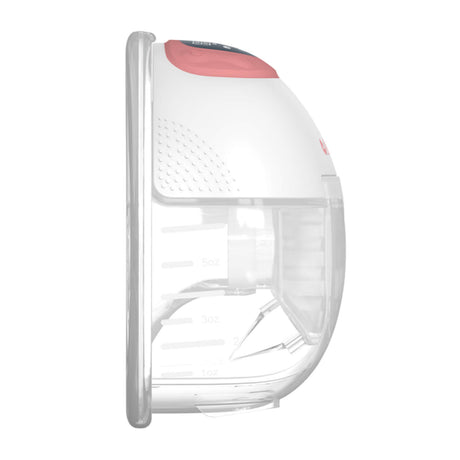
Check that all components are correctly connected, especially the valve and diaphragm. These parts must be fully seated to create proper suction. Even a slight misalignment can reduce performance.
Inspect each part for damage such as small tears or warping, which can happen over time with cleaning and use. If both sides are experiencing the same issue, it is likely related to setup or fit rather than the motor itself.
Suction Feels Uneven
Changes in suction can feel unexpected, but they are often part of the pump’s normal operation. Most wearable pumps begin in stimulation mode before switching to expression mode automatically.
This transition can feel like a shift in suction intensity, even though the pump is functioning correctly. In addition, the device may remember your previous settings and return to them, which can create variation between sessions.
Suction Level Feels Too Strong
If the suction feels too high, it may be because the pump is returning to the last used setting. This is a common feature designed for convenience, but it may not always match your current comfort level.
Before starting a session, adjust the suction to a lower setting and gradually increase it if needed. This helps create a more comfortable and controlled experience.
Milk Expression and Leakage Issues
Low Milk Output
If you are not expressing as much milk as expected, the issue may be related to fit, seal, or comfort rather than the pump itself.
Start by confirming that all parts are assembled correctly and that the flange is creating a secure seal. A poor fit can reduce suction efficiency and impact output.
Flange size is also critical. If the flange is too large or too small, it can affect both comfort and milk flow. In addition, allow time for letdown to occur. Milk expression often improves with consistent use and a relaxed environment.
Milk Leaking During Pumping
Leaks are typically caused by positioning or an incomplete seal. Wearable pumps are designed to function best when used upright. Leaning back or lying down can cause milk to shift and escape from the collection area.
Check that the flange is properly aligned and fully sealed to the cup. Also, confirm that the valve is positioned correctly, as improper placement can disrupt flow and lead to leaks.
A secure fit and proper posture will resolve most leakage issues.
Pain or Discomfort While Pumping
Discomfort during pumping is usually a sign that adjustments are needed. The most common causes are suction that is too high or a flange that does not fit correctly.
Lower the suction level to a more comfortable setting and monitor comfort. If discomfort continues, reassess flange size. A properly fitted flange should feel secure without causing irritation or pressure.
Making small adjustments can significantly improve comfort and make sessions more effective.
Flange Fit and Sizing Issues
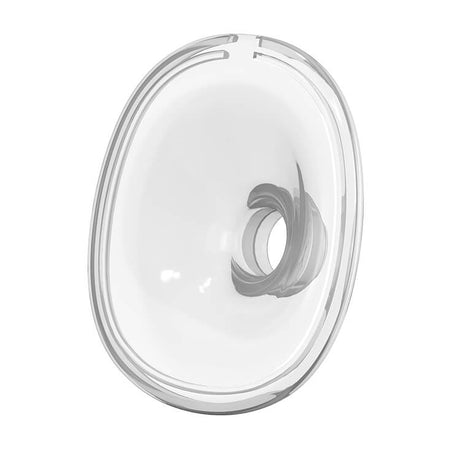
Flange size plays a major role in both comfort and performance. If the flange does not fit correctly, it can reduce suction, cause discomfort, and limit milk output.
A flange that is too small may create friction or pinching, while a flange that is too large can prevent proper suction from forming. Both situations can lead to inconsistent results during pumping sessions.
If you are experiencing low output, discomfort, or poor suction, reassessing flange size is one of the most important steps. A proper fit should feel secure, allow smooth movement, and create a consistent seal throughout the session.
Common Assembly Mistakes
Wearable breast pumps rely on precise assembly to function correctly. Even small misalignments can affect suction and overall performance.
One of the most common issues is improper placement of the valve or diaphragm. These components must be fully seated to create an airtight seal. If they are loose, misaligned, or worn, suction can drop significantly.
It is also important to ensure that all parts are connected securely and that no gaps are present between components. Taking a moment to double-check the assembly before each session can help prevent many common issues.
Cleaning and Maintenance Issues
Proper cleaning is essential for maintaining consistent pump performance. Residue buildup from milk can interfere with suction and prevent parts from sealing correctly.
Over time, repeated washing and drying can also cause parts like valves and diaphragms to warp or lose flexibility. This can lead to reduced performance even if the pump is assembled correctly.
Regularly inspecting and replacing worn parts helps support consistent performance with each use.
Important Use and Care Tips
Proper handling and maintenance play a major role in how well your wearable breast pump performs over time. Small mistakes in care can lead to avoidable issues.
-
Avoid pouring milk out while the motor is still attached, as this can damage internal components. Always detach the cup first before emptying.
-
Keep the motor dry at all times. Do not submerge it or allow liquid to come into contact with it during cleaning or use.
-
When charging the pump, remove the cup to support proper charging.
What to Do If Issues Continue
If you have gone through these steps and are still experiencing problems, it may be time to reach out for additional support.
Consistent issues that do not improve with adjustments could indicate part wear or the need for replacement components. Working with a support team can provide additional guidance based on your specific situation.
When It’s Not the Pump
Not every issue is related to the device itself. Factors like hydration, stress, and timing may affect milk output and pumping experience.
If your pump appears to be working correctly but the output is lower than expected, consider external factors that may be influencing results. Creating a relaxed environment and maintaining a consistent routine can help improve overall performance.
Get the Most Out of Your Wearable Pump
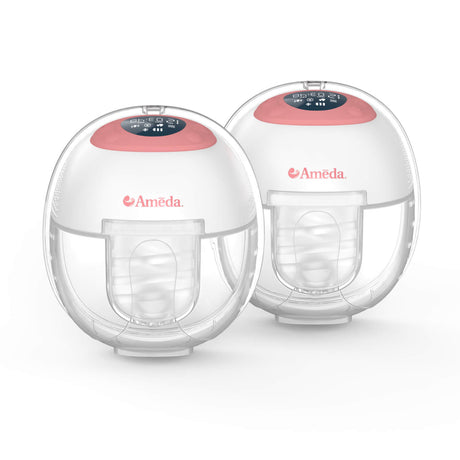
The Ameda GLO Wearable Breast Pump is designed to make pumping more flexible and convenient, but performance depends on proper use.
By understanding how to troubleshoot common issues and making small adjustments when needed, you can support comfort, consistent suction, and better results. Contact us today to learn more.